(970) 602-5763

Residential & light-commercial HVAC

Heating and cooling problems are airflow and charge problems until proven otherwise.

Almost every comfort complaint in a home traces back to a handful of measurable things: how much air the system moves, how much heat that air carries, what refrigerant is in the lines, and how old the equipment is. We diagnose to those numbers, then set out the options in writing before any work is decided on.

Seasonal checks
Spring & fall
Load calculation
Manual J, room by room
Service area
Milliken & Northern Colorado
Reference

01 Service scope

Three kinds of work, described in plain terms

We split the work into what we do to an existing system, what we do when equipment is being replaced or added, and what we do about the air itself. Most calls fall into one of these.

A

Diagnostics, repair & maintenance

Existing equipment that is working badly, working intermittently, or not working at all.

  • Air conditioner diagnosis

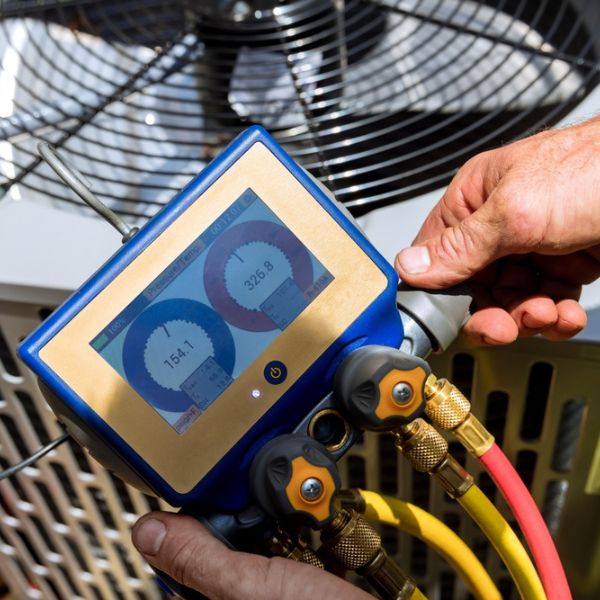
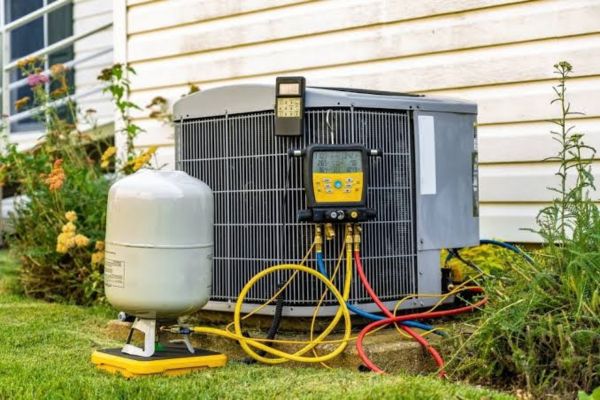
    Superheat and subcooling measured against the manufacturer's window, line set pressure-tested for leaks, running amps checked against the nameplate, and coils inspected. This tells us whether the system is undercharged, restricted, or being starved of airflow — three problems that look identical from the thermostat.

  • Furnace repair

    Igniters, flame sensors, limit switches, gas valves, blower motors and run capacitors. On a condensing furnace we also pull the heat exchanger to look for cracking, and check flue pressure and venting. Roughly 40% of the heat from an older 80%-AFUE furnace leaves up the flue; a 96%-AFUE unit reduces that loss to about 4%.

  • Heat pump service

    Reversing valve, defrost control and termination sensors, auxiliary and backup heat, and the high-pressure and low-pressure switches that lock the compressor out. A heat pump that runs constantly but leaves the house cold is usually stuck in auxiliary heat after a lockout.

  • Seasonal maintenance

    Two visits a year. Spring: condenser coil, condensate path, blower and capacitor, filter, thermostat calibration. Fall: burner operation, heat exchanger, flue, CO output, igniter, changeover and defrost verification.

  • Boiler & hydronic service

    For light-commercial and larger residential hydronic systems: circulator pumps, expansion tanks, air in the loop, zone valve operation and combustion tuning.
B

Installation & replacement

New equipment, new distribution, or a full system changeout.

  • Manual J load calculation

    Room-by-room heat gain and heat loss, which is the only way to know how many BTU/h a house actually needs. The result is a number, not a brand. Guessing from square footage alone is the single most common cause of an undersized system that never catches up.

  • Equipment selection

    Manual S selection matches capacity to the calculated load and the local design conditions. We fit matched indoor and outdoor sections — a new condenser with the existing coil left behind is not a like-for-like replacement, because the metering device and refrigerant are part of the match.

  • Duct design & fabrication

    Manual D duct design, then shop drawings, trunk and branch sizing, and register layout sized by room. We fabricate and install sheet metal in-house and seal new duct to the 4%-of-design-Static-pressure leakage target rather than leaving it to chance.

  • Ductless mini-split systems

    Variable refrigerant flow heads and cassettes for additions, remodels and rooms that will not take ductwork. Line sets run up to about 75 ft; beyond that the electrical and refrigerant runs need planning, not improvising.

  • Changeout & startup

    Recovered refrigerant, nitrogen purge, new line set if the existing one fails a pressure test, new filter drier, triple evacuation to 500 microns, startup sheet with measured superheat and subcooling, and manufacturer registration.

C

Air, filtration & controls

Everything that determines what the equipment is actually delivering to the rooms.

  • Airflow balancing

    Balanced to CFM, not to "feels about right." The starting point is roughly 400 CFM of supply air per ton of cooling; rooms then get registers opened or trimmed until the design airflow is actually delivered.

  • Filtration upgrades

    Standard 1-inch filters run MERV 8 to MERV 13. Higher MERV removes more particles but restricts airflow, so a cabinet upgrade or a 4-inch media filter is often required. We measure the filter's pressure drop rather than guessing.

  • Humidity control

    In summer, air conditioning already removes moisture as it cools. In winter, dry indoor air and wood floors do not get along — whole-house humidifiers and proper steam or mist output handle it.

  • Thermostats & zoning

    24 V conventional controls, and smart thermostats including ecobee, Honeywell and Nest. Many smart thermostats and heat pumps need a C-wire for humidity sensing and auxiliary heat; we confirm the wire count before recommending a model.

  • Ventilation & air quality

    ERV and HRV equipment for tight homes, dedicated outdoor air, and UV-C coil treatment. These are sized and brought in separately from the cooling system — a filter is not a ventilation system.

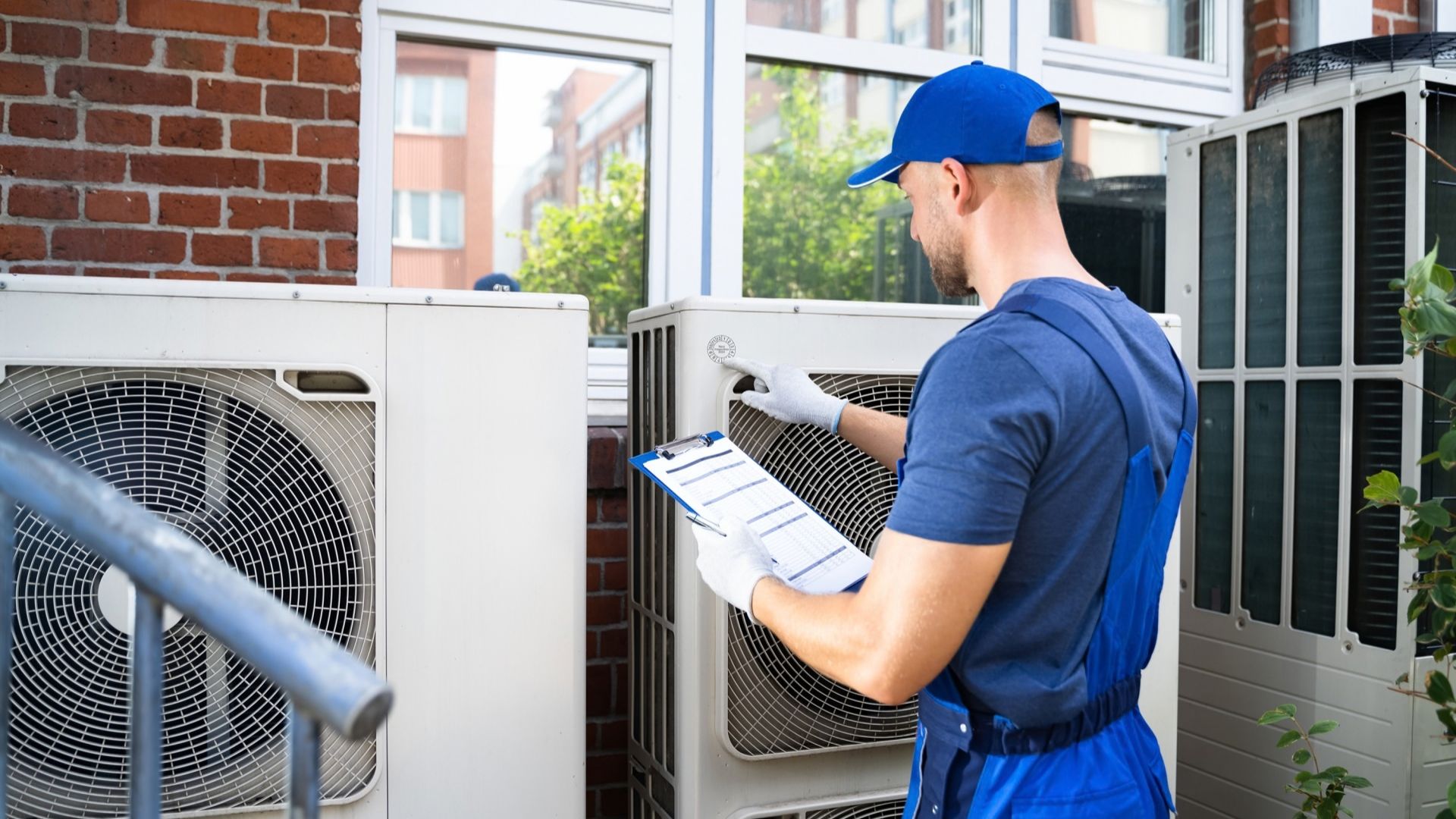
Outdoor condensing unit installed on a residential property
Technician checking a thermostat and control wiring during a system review

Field service — residential and light commercial

02 How we work

Measure first, replace last

Most complaints in this trade look identical from inside the house. Warm air is an undercharge, a dirty coil, a closed service valve and an undersized system all produce warm air. The difference between a quick adjustment and a full changeout is what gets measured before anything is ordered.

So a diagnostic call is a measurement session, not an opinion. Amperage is checked against the nameplate, not against a rule of thumb. Superheat and subcooling are measured and compared with the manufacturer's window. Airflow is measured in CFM, and static pressure is measured in inches of water column across the equipment and across the filter separately.

  1. Establish what changed

    When it started, what it does, and whether anything else happened at the same time — a thermostat swap, a filter change, an outage, a renovation.

  2. Read the nameplate

    Model, serial, refrigerant and input rating. These decide the parts, the metering device, and which service procedure applies.

  3. Measure the system

    Amps, superheat, subcooling, CFM, total static pressure, filter pressure drop and condensate flow.

  4. Set out the options in writing

    Repair and replacement options side by side, with what each one means for the remaining life of the equipment, before anything is ordered.

03 About us

About Pro Point HVAC Repair

Pro Point HVAC Repair is a residential and light-commercial heating, cooling and airflow company based in Milliken, Colorado, working with homeowners and property managers across Northern Colorado and the surrounding Front Range communities.

The business was built around a simple idea: most comfort problems in a home are decided by numbers, not by opinion. How much air a system moves, how much heat that air carries, what refrigerant is in the lines and how old the equipment is — those four figures explain the large majority of calls we attend.

Pro Point HVAC Repair handles the full range of heating and cooling work: diagnostics and repair on existing systems, seasonal maintenance, equipment replacement and new installations, ductless mini-splits, duct design and fabrication, airflow balancing, filtration, humidity control, thermostats and zoning, and light hydronic and boiler systems.

The work is residential and light-commercial, the equipment ranges from a single room cassette to a full packaged system, and the approach stays the same on every call: measure the system, identify what is actually happening, and set out the options in writing before any work is agreed.

What a call looks like

  • Local service area

    Milliken, Colorado and the surrounding Northern Colorado towns, plus nearby Front Range work for light-commercial systems.

  • Homes and small buildings

    Single-family homes, townhouses, rentals and small commercial properties with packaged or split systems.

  • Heating, cooling and airflow

    Air conditioners, furnaces, heat pumps, ductless systems, ductwork and the air distribution that delivers comfort to each room.

04 Symptom reference

What the symptom usually means

What you can observe from inside the house, what is usually causing it, and what actually gets checked. Useful for deciding whether a call is an emergency or can wait for the next maintenance visit.

HVAC symptom, likely cause and typical corrective action
What you observe Usually caused by What we check and do
Vents blow warm air; the system runs continuously Refrigerant undercharge, or equipment undersized for the load Recover the charge, pressure-test the line set, leak test with a safe gas, then confirm superheat and subcooling against the manufacturer's window
Weak air at every register Dirty filter, closed balancing dampers, undersized ducts, or a failing blower Measure filter pressure drop, open and re-trim dampers, verify duct design against airflow, and measure actual blower CFM and static pressure
Ice or frost on the suction line Low charge, moisture in the refrigerant, or a restriction at the metering device Confirm the charge rather than topping it off, replace the filter drier, and verify the TXV or fixed orifice is correctly sized for the unit
Furnace starts, runs a few minutes, then shuts off Restricted airflow tripping the high-limit switch, a dirty flame sensor, or a bad run capacitor Replace the filter, clean the blower wheel, check the limit and flame sensor, and test capacitor microfarads against the part
A hum, then nothing Failed motor run capacitor, or an open circuit at the blower Test the capacitor in µF against the nameplate, verify the contactor coil and 24 V control power, then check the motor windings
Outdoor unit runs, the house stays warm Service valves left closed, a blocked condenser coil, or a tripped compressor breaker Open and gauge both valves, clear debris from the coil, and verify running amperage against the nameplate
Water on the floor indoors Clogged or disconnected condensate line, missing trap, or a failed float switch Clear and flush the line, rebuild the trap so the drain cannot siphon empty, and fit a secondary pan with a float switch
Heat pump runs endlessly but the house stays cold Auxiliary heat permanently engaged after a pressure or limit lockout Reset the lockout, clear the outdoor coil, verify defrost initiation and termination, and check the balance point and aux heat staging
One room is hot while the next is cold A zoning or duct design problem rather than an equipment problem Run a room-by-room Manual J calculation, then balance the supply registers to the design CFM for each space
Burning smell on startup, then it clears Dust burning off the heat exchanger, or a loose electrical connection Normal for the first few firings of a new furnace. A smell that returns, or a hot smell at the filter, needs the igniter, wiring and burners checked promptly

If a system is leaking refrigerant, more than 15 pounds of A2L refrigerant has been lost in a year, or the refrigerant is at a leak-repair threshold, the leak has to be repaired before the system is recharged — topping it off repeatedly is not a repair.

05 Maintenance

A maintenance schedule you can actually follow

The spring and fall visits are the ones that matter most. The monthly items take five minutes and are where most of the avoidable failures get caught.

  1. Monthly

    Routine checks

    • Replace or clean the filter. Most manufacturers say check it every 1–3 months; homes with pets, dust or heavy use need it sooner.
    • Look at the outdoor unit through the fence line and clear leaves, grass clippings and debris off the coil.
    • Listen for new noises. Grinding, squealing, hissing or a hum that was not there last month is information.
    • Confirm the CO alarms still chirp when tested, and that batteries are current.
  2. Spring

    Before cooling season

    • Clean the condenser coil and confirm fins are combed back open.
    • Check refrigerant charge against the manufacturer's superheat and subcooling window, not by eye.
    • Test the blower motor and run capacitor; check amps against the blower nameplate.
    • Clear the condensate line, confirm the trap is holding, and test the float switch.
    • Calibrate the thermostat and confirm the schedule matches how the house is actually used.
    • Inspect ducts for kinks, crushed flex runs and disconnected branches.
  3. Fall

    Before heating season

    • Full combustion check: burner pattern, flame sensor, igniter, gas pressure and manifold pressure.
    • Inspect the heat exchanger for cracks and verify the limit and rollout switches.
    • Measure carbon monoxide output and confirm the flue and vent terminate correctly and are clear.
    • On a heat pump, verify the changeover, the defrost cycle, and the defrost termination temperature.
    • Inspect heat strips and auxiliary heat staging, then confirm the thermostat's C-wire is present if it uses humidity sensing.
  4. 3–5 yrs

    Worth revisiting

    • Blower wheel and cabinet cleaning — the wheel carries the static pressure penalty first.
    • Condensate pan and float switch replacement; both are consumables in a humid climate.
    • Duct leakage retest and sealing if any rooms are still uneven.
    • Capacitor replacement on units approaching eight to ten years, even if they still test in range.
  5. 10–15 yrs

    Replacement evaluation

    • Air conditioners and heat pumps commonly reach the end of a reliable life around 12–18 years; furnaces around 15–20.
    • Run a fresh Manual J rather than replacing like for like. Home additions, insulation changes and window replacements all change the load.
    • Compare the scope of a repair against the remaining equipment life before deciding on a changeout.

06 Safety & code

The requirements that come up on every call

These are the items that are not optional and are not a matter of workmanship preference. Your local authority having jurisdiction sets the exact version that applies.

Carbon monoxide alarms

Residential codes require CO alarms on every level, inside each bedroom, and outside sleeping areas. Sealed 10-year units are replaced on the manufacturer's schedule, not when the battery dies.

Condensate overflow protection

A secondary drain pan with a float switch that cuts power to the blower is required for a furnace or air handler in a finished space. A clogged line with no float switch is how a small leak becomes a floor replacement.

Pressure testing with nitrogen

Line sets and refrigerant circuits are pressurised with dry nitrogen only. Oxygen is never used — it makes a leak test an ignition source.

Refrigerant handling

Refrigerant can only be purchased by a properly certified technician. A2L appliances at or above the 5 lb charge threshold carry leak repair and leak detection obligations under 40 CFR 82 Subpart F.

Permits & inspection

Equipment replacement and new installations normally need a mechanical permit and inspection. Condensing furnaces additionally require a condensate line and a plastic vent, not the old metal flue and dry drain.

Electrical working space

The disconnect has to be within sight, the branch circuit dedicated, and the clearance in front of the panel maintained. A missing or undersized breaker is a fault to correct, not a nuisance to work around.

07 Questions

Questions that come up on service calls

Four causes account for most of it: low refrigerant, a blocked or dirty condenser coil, closed service valves left shut after a changeout, or an undersized system on a hot day. Warm air plus a running compressor narrows the list but does not close it. We measure superheat and subcooling and check amps, because topping off a system without finding the leak leaves the same fault in place for next season.

SEER2 measures the cooling efficiency of the whole ducted assembly, adding in the electrical energy the blower uses to move the air. The original SEER rating assumed a fixed fan allowance. That is why a current 16 SEER2 unit is not equivalent to a 16 SEER unit from twenty years ago — the newer number includes energy the old one ignored.

Not new. R-22 production ended on 1 January 2020 under the American Innovation and Manufacturing Act. Existing equipment can still be serviced using refrigerant recovered from that equipment, and that service tail runs to 2030. When an R-22 system finally fails, the replacement is R-410A or R-454B, and the changeover means a new coil, a new filter drier, and a properly sized metering device — not just a different gas.

Superheat is how far the refrigerant vapour leaves the evaporator above its saturation temperature; subcooling is how far the liquid leaves the condenser below it. Together they say whether the charge is right for the conditions. Common working windows are roughly 5–15 °F superheat and 5–10 °F subcooling, but the manufacturer's stated range for the specific model always takes priority — especially on R-32 and R-454B, which run at higher pressures than R-410A.

Often, yes — not because the ductwork is bad, but because a new Manual J may produce a different airflow number than the original equipment did. Existing duct size and the new static pressure requirement have to match, and if the ducts were undersized or leaking, that is the moment to find out. A duct leakage test will give a straight answer, and sealing what is found is usually a far smaller job than replacing the trunk.

Compare the scope of the repair with the remaining life of the equipment. A single failed capacitor on an otherwise healthy unit is a repair. Compressor replacement on a fifteen-year-old system with no warranty left is usually not — at that stage a properly sized replacement is the sensible route, and the improvement shows up in comfort and energy use for the life of the new unit.

Almost always auxiliary heat that will not release. Once a heat pump hits a high-pressure or low-pressure limit, many units latch onto backup heat to keep the house warm and stay there until the lockout is manually reset. A dirty coil, a failing defrost termination sensor or a reversed defrost schedule can trigger it repeatedly. It is worth clearing the outdoor coil before blaming the equipment.

For residential equipment, total external static pressure of roughly 0.5–0.8 IWC is the working range. Above about 0.9 IWC you are losing airflow and burning extra blower power to get it, which cuts efficiency and can trip the furnace limit switch on a heating call. The common culprits are a dirty filter, undersized or crushed ducts, and too many closed registers.

No, and it is the most common misunderstanding in this trade. An oversized unit cycles on and off instead of running long enough to pull moisture out of the air, so the house feels clammy even though the air is cold. It also works harder, wears faster, and draws more amps. Square footage is a starting guess, not a calculation — a Manual J on the actual rooms gives the right number.

On a brand-new furnace that is expected — it is dust on the heat exchanger burning off over the first several firings. On an older system that has not run in a while, the same smell can mean dust and debris have accumulated. Either way it should stop. If it continues, or if you notice a hot or burning smell at the filter, call it in rather than waiting for the next filter change.

What helps before you call

Four details remove most of the back-and-forth:

  1. Which system. Air conditioner, furnace, heat pump, or a package unit — and whether they share ductwork.
  2. What it does. Warm air, weak air, water, noise, no response. Being specific about the symptom is more useful than a guess at the cause.
  3. When it started and whether anything changed at the same time, including a thermostat, a filter, or a power outage.
  4. Nameplate data if you can reach the unit: the model and serial number, and the refrigerant listed. That number decides parts and refrigerant type.

Equipment over roughly fifteen years old, or anything with an R-22 nameplate, is worth flagging in the first call so the right refrigerant and metering parts are on the truck.